


Spring Sports Are Back!
Tips for Preventing Early-Season Injuries
Spring is in full bloom, and that means athletes are returning to the field, court, and track. And with spring’s lovely weather, it’s easy to jump straight back into the thick of training.
Unfortunately, many athletes do so before their bodies are ready, which only increases their risk of early-season injuries that can put them on the bench before the season really gets underway.
There is good news, though: with some help from the Active Sport & Spine Therapy team, you can make sure you’re prepared for these demands. Our physical therapists can assess your movement, identify weak points, and help develop a plan to improve performance and reduce your injury risk as you transition back to sport.

Why Are Early-Season Injuries So Common?
During the off-season, your muscles, tendons, and joints adapt to a different level of activity. As a result, your coordination and timing decline–even if you don’t necessarily notice. If you increase your training volume too quickly, you place a great deal of stress on tissues that aren’t prepared to handle it.
Other factors can also come into play, such as improper running, jumping, or throwing mechanics, which further increase joint stress and reduce movement efficiency, meaning your body has to work harder to achieve the same results. Inefficient movement can also lead to earlier fatigue, reducing your ability to absorb the high forces required by your sport and increasing the risk of awkward movements that can lead to injury.
Exercise of the Month
ONE LEG BALANCE
- Single-leg balance is essential for improving stability and walking (gait), as we briefly stand on one leg with every step.
- Strengthening this position can help reduce fall risk and improve confidence with movement.
- Stand with your hands on the back of a chair, countertop, or wall for support.
- Slowly lift one foot so your weight is on the opposite leg.
- Keep your posture tall and steady.
- Hold for 20–30 seconds and gradually increase time as your balance improves.
- 2 Sets, 1 Rep (each side) (Materials needed: chair)
Our Patients See Results
The Specific Risks of Popular Spring Sports
Different sports have different injury risks. For example:
- Baseball and softball place repeated stress on the shoulder and elbow.
- Track and field increases demand on the hamstrings and calves.
- Soccer and lacrosse require quick cuts, which challenge the knees and ankles.
That’s why it’s important to understand the specific needs of your chosen sport when working to prevent injuries.

Five Tips to Prevent Early-Season Injuries
Fortunately, you can reduce injury risk with several simple, effective strategies. Our team uses these same principles in treatment and training programs.
1. Gradually Build Intensity
You should gradually increase your training volume, giving your muscles and tendons time to adapt. This concept, known as progressive loading, safely improves tissue strength and reduces the risk of overload injuries.
- Start with shorter sessions
- Add intensity over time
- Include rest days for recovery
2. Strengthen Key Muscle Groups
Strength training supports joints and improves control. A well-rounded plan will improve overall strength and consider the needs of your chosen sport.
- Focus on hips, core, and shoulders
- Use controlled, sport-specific exercises
- Train both explosive strength and muscular endurance
3. Improve Mobility
Mobility allows your joints to move through their full range of motion without restriction, making movement easier overall.
- Perform dynamic warm-ups before activity to wake up the nervous system before activity
- Focus on active ranges of motion that translate to your sport
- Address areas that feel stiff, like the hips, calves, or shoulders
4. Focus on Movement Quality
Efficient movement reduces unnecessary stress. We recommend visiting our team for a full movement analysis, which can help pinpoint specific problems so you can correct them directly.
- In particular, practice proper running and landing mechanics to improve control
- Use drills that improve balance and coordination
- Correct faulty patterns early
5. Prioritize Recovery
Recovery allows the body to repair and adapt, so make sure to build recovery days into your training routine. Since prolonged rest can reduce strength and coordination, aim for light, controlled activity on rest days. And remember:
- Sleep supports tissue healing
- Hydration supports muscle function
- Light movement between heavy sessions keeps you active without overdoing things

How Active Sport & Spine Therapy Supports Spring Injury Prevention
You don’t have to prepare for the spring sports season on your own. We offer several evidence-based strategies to improve performance and reduce injury risk.
- Movement assessments identify minor problems before they become major ones
- Manual therapy improves joint and soft tissue mobility
- Neuromuscular training improves coordination and joint control
- Strength training increases load tolerance
- Progressive loading programs prepare athletes for sport demands
Even if you don’t have a current injury, a structured program can improve your performance and make sure you have a safe season.
From Baseball to Lacrosse, We’re Here to Help!
Spring sports demand speed, strength, and control. Training with intention can reduce your injury risk and help you perform at a higher level. The Active Sport & Spine Therapy team is here to help athletes of all kinds move better, build strength, and stay in the game. If you want to perform your best this season, schedule an evaluation with our physical therapists today. Your preparation now sets the tone for the entire season.
Recipe of the Month: Broccoli Risotto
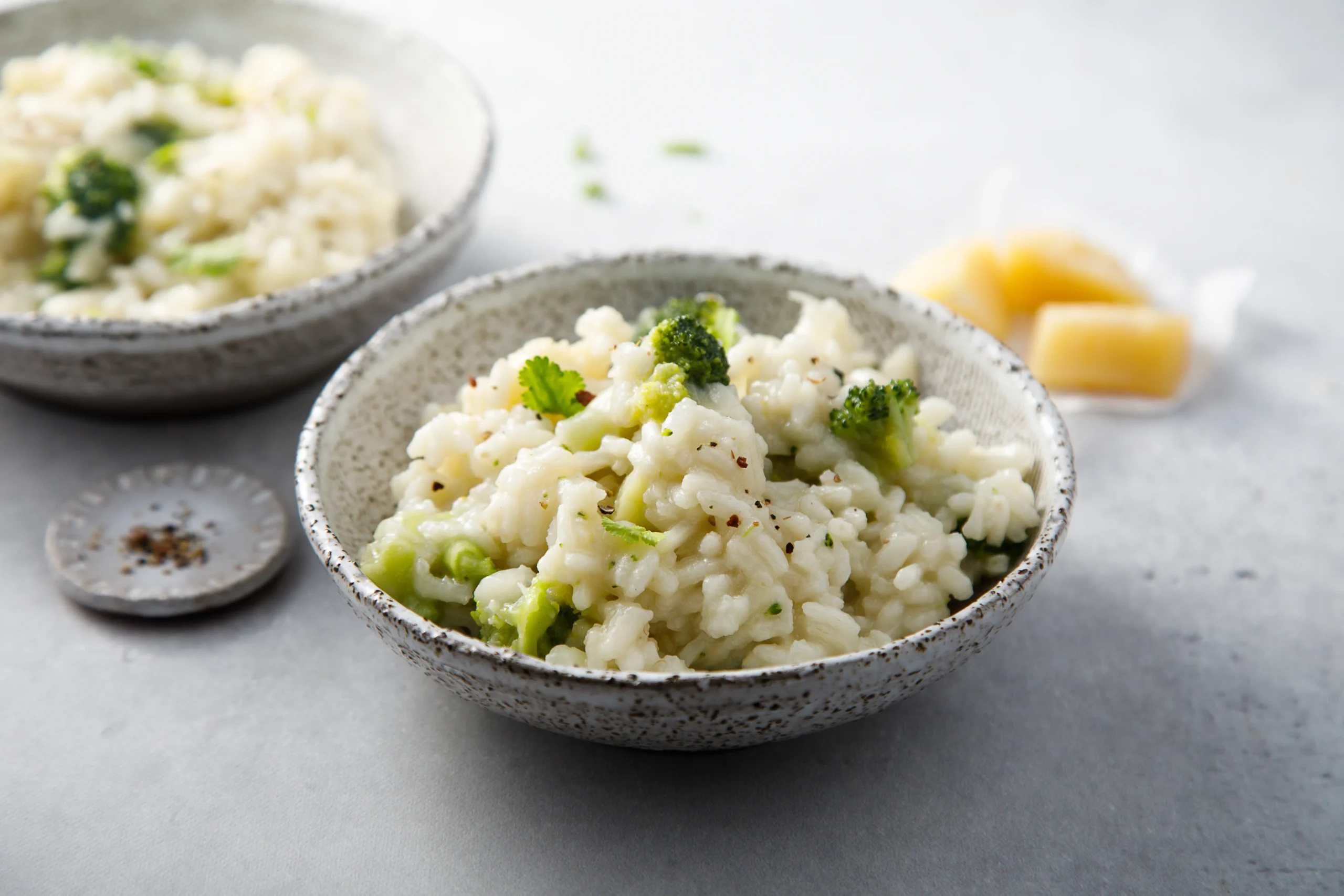
Ingredients:
- 2 tablespoons olive oil
- 3 tablespoons butter
- ½ large sweet onion, finely chopped
- 4 cloves garlic, chopped
- 1 ½ cups Arborio rice
- ½ cup dry white wine (such as Sauvignon Blanc)
- 2 tablespoons lemon juice
- 5 cups hot chicken broth
- 1 cup heavy cream
- 3 cups cooked broccoli florets
- 2 tablespoons chopped fresh chives
- 1 tablespoon grated Parmesan cheese
- 1 ½ tablespoons grated Asiago cheese
- salt and pepper to taste
Instructions:
- Gather all ingredients.
- Heat olive oil and butter in a large, heavy-bottomed saucepan over medium-high heat. Add onion and garlic; cook and stir until onion begins to turn golden brown at the edges, about 2 minutes.
- Pour in rice, and stir until rice is coated in oil and has started to toast, 3 to 4 minutes.
- Reduce heat to medium and stir in white wine and lemon juice. Cook and stir until wine has mostly evaporated, then stir in 1/3 of the chicken broth; continue stirring until incorporated.
- Repeat this process twice more, stirring constantly. Stirring in broth should take 15 to 20 minutes in all. Stir in cream and cook 5 minutes before stirring in broccoli, chives, Parmesan cheese, and Asiago cheese. Cook and stir until risotto is hot; season to taste with salt and pepper before serving.