Is Physical Therapy an Effective Treatment for Rotator Cuff Pain?
Is Physical Therapy an Effective Treatment for Rotator Cuff Pain?
If you are wondering if physical therapy is an effective treatment for rotator cuff pain, this article will delve into why you should seek physical therapy treatment. For starters, the rotator cuff is a group of muscles and tendons surrounding the shoulder joint, giving your shoulder and arm range of motion, and also stability.
Injury to the rotator cuff can cause severe pain, weakness of the shoulder, and limit the function of your shoulder overall. Depending on the severity of the injury, more extreme measures such as injections, medications, or a surgical procedure may be needed to correct the injury and reduce the pain. However, physical therapy is also the best starting point because it is the least invasive treatment method.
Physical therapy is a healthcare profession that focuses on the evaluation, treatment, and prevention of physical disabilities or impairments. Exercises are given by physical therapists, who are licensed professionals that focus on improving the individual’s overall well-being and quality of life. Additionally, their goal is to prevent future injuries from occurring.
Attending a physical therapy session is actually more accessible than one might think. Physical therapists work in a variety of settings such as: hospitals, outpatient clinics, schools, rehabilitation centers, and even provide home visits.
Let’s explore how one can benefit from physical therapy after a rotator cuff injury.
What Causes Rotator Cuff Pain
This article is not providing medical advice but rather enlightening one on the causes and effects of rotator cuff pain, and the subsequent treatment options.
Rotator cuff pain is caused by the damage or injury to the four muscles and surrounding tendons to the shoulder joint.
Here are the most common causes of rotator cuff pain:
- Tendonitis
- Pinched nerves
- Tear
- Bursitis
- Poor posture
- Muscle imbalance
- Overuse or strain
- Trauma or injury
- Aging and degeneration
- Arthritis
Remember, rotator cuff pain is person specific. All of us have different pain tolerance, body composition, lifestyles, and pre-existing conditions. Evaluation by a medical professional is essential to receiving the right treatment plan, such as being referred for physical therapy. In some cases, more invasive approaches may be needed depending on the severity of the pain, injury, and overall limitations to mobility.
PRO TIP: Explore our range of services at Active Sport & Spine Therapy of NJ, including specialized treatments like Manual Therapy, ShockWave Therapy, and Cupping Therapy. Contact us today to learn how our services can contribute to your overall well-being.
What to Expect from a Physical Therapy Session for a Rotator Cuff Injury
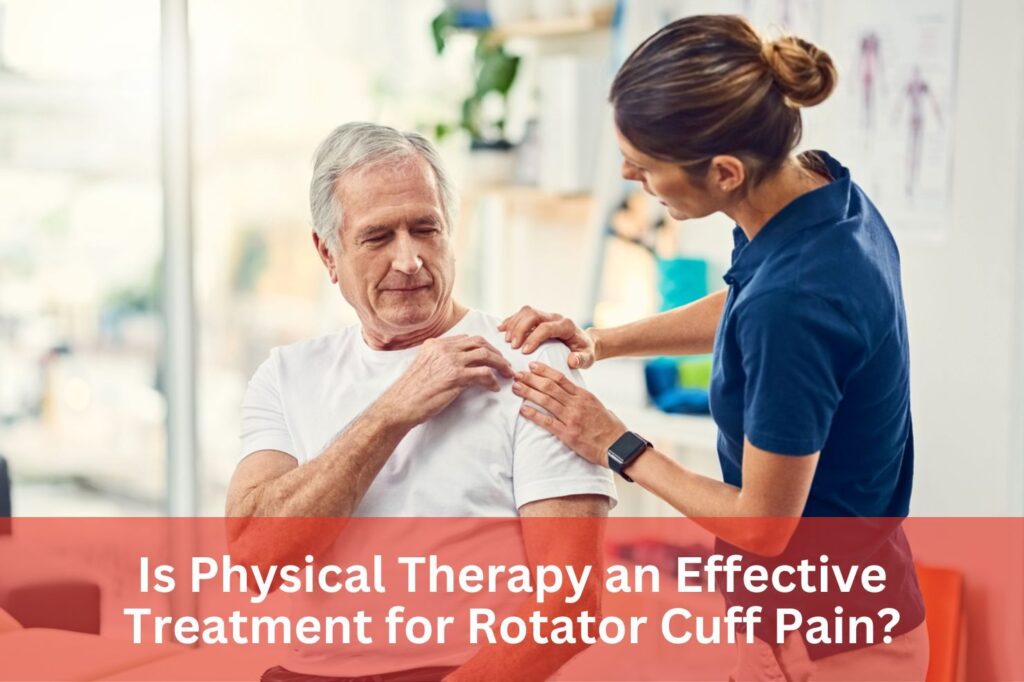
If you have never attended a physical therapy session for any injury, physical disability, or impairment, the approach and what to expect may seem nerve-racking. Fear not as the treatment method is actually simple. For a rotator cuff injury, a physical therapist will use a combination of exercises, stretches, and techniques aimed at:
- Pain Reduction: A physical therapist may use ice, heat, or electrical stimulation to target and alleviate pain.
- Improving Range of Motion: As the patient, you will take part in exercises and stretches geared towards improving the flexibility and restore range of motion in the shoulder.
- Muscle Strengthening: Stability and support of the muscles in the shoulder, including the rotator cuff are a critical aspect in rotator cuff treatment. Thus, targeted exercises used to strengthen them.
- Body Mechanics: In addition to focusing on the rotator cuff area, a physical therapist will also address body posture and mechanics in the hopes of preventing future injury that can be caused by overcompensation.
- Training: You will perform a series of activities or sports related motions to ensure your shoulder can function in real-life scenarios.
- Education: Physical therapy is most effective when paired with education about shoulder care, ergonomics, and at-home exercises.
What is important to keep in mind about physical therapy treatment is that each session is specialized to the patient. Although there are general movements and stretches used for rotator cuff injuries, the patterns, resistance, and repetitions used vary by patient and are injury specific. Physical therapy will only be successful if an individual adheres to the prescribed treatment methods and lives a healthy lifestyle.

What is the Process and Key Components of a Physical Therapy Session?
At some point in our lives we have all had to visit a doctor. Whether it was for an annual check-up, or to seek medical attention for a more serious condition or ailment, the process is generally the same. You make an appointment, show up, go through vitals checks, then wait patiently for the doctor to examine you, and in some cases prescribe medications or provide a referral for a specialized treatment.
Physical therapy is a specialized treatment method that primary care doctors and orthopedic surgeons refer patients to for muscle-related concerns. In collaboration with other healthcare professionals, physical therapists will create individualized programs based on each individual’s specific needs.
These are the key components of physical therapy:
- Evaluation and Assessment: A physical therapist will assess a patient’s movement patterns, flexibility, and coordination, while also factoring in the medical history and diagnostic testing before delivering a treatment plan.
- Diagnosis: Although the diagnosis may already be known, a physical therapist will specifically diagnose the physical limitations to establish the treatment goals.
- Treatment: Treatment plans are an individualized combination of exercises, therapy, and therapeutic interventions aimed at improving strength, flexibility, endurance, and overall function. Typically, patients will perform these exercises at both supervised sessions and at home.
- Manual Therapy: In conjunction with the exercise plan, hands-on techniques, including massages may also be used to improve joint mobility. Along with this, heat, ice, and electrical stimulation is also used to promote healing.
- Prevention: Physical therapists also discuss with patients self-management and lifestyle improvements to educate and prevent more injuries.
The key takeaway regarding the physical therapy process is that patients have to do the work! Failure to follow all instructions given by a physical therapist may yield insufficient or unintended results. Physical therapy is not a cure, but aims at improving the quality of life.
The Benefits of Physical Therapy for Rotator Cuff Injuries
Rotator cuff injuries cause severe pain and discomfort for most individuals. One of the biggest benefits of physical therapy treatments is to prevent muscle atrophy, which is the weakening of the muscles. Furthermore, participation in physical therapy could prevent the need for surgery. Lastly, it is the best cost-effective option for anyone, with or without insurance.
PRO TIP: Active Sport & Spine Therapy has extended its services area to cover more of New Jersey, offering top-notch care for sports and spine issues.
Is Physical Therapy an Effective Treatment for Rotator Cuff Pain?
As noted in this article, rotator cuff pain is not to be taken lightly. Seeking treatment to reduce and manage pain, heal the tendons and muscles surrounding the shoulder joint, and learning new techniques to prevent further injury are all essential to the healing process.
During a physical therapy session, individuals will be assessed and evaluated by a physical therapist, who is a licensed healthcare professional, who will then customize a treatment plan and set long-term goals for your specific needs, injury, and overall health. Then, a series of exercises and hands-on therapy techniques will be used to make improvements to the strength, flexibility, and range of motion. The benefits of physical therapy for rotator cuff pain are insurmountable in comparison to other medical treatments. Although additional measures may need to be considered, physical therapy should always be the starting point as it is most cost-effective! In short, physical therapy is an effective treatment method for rotator cuff pain.