


Are You An Athlete Prepping for Fall Sports? PT Can Help!
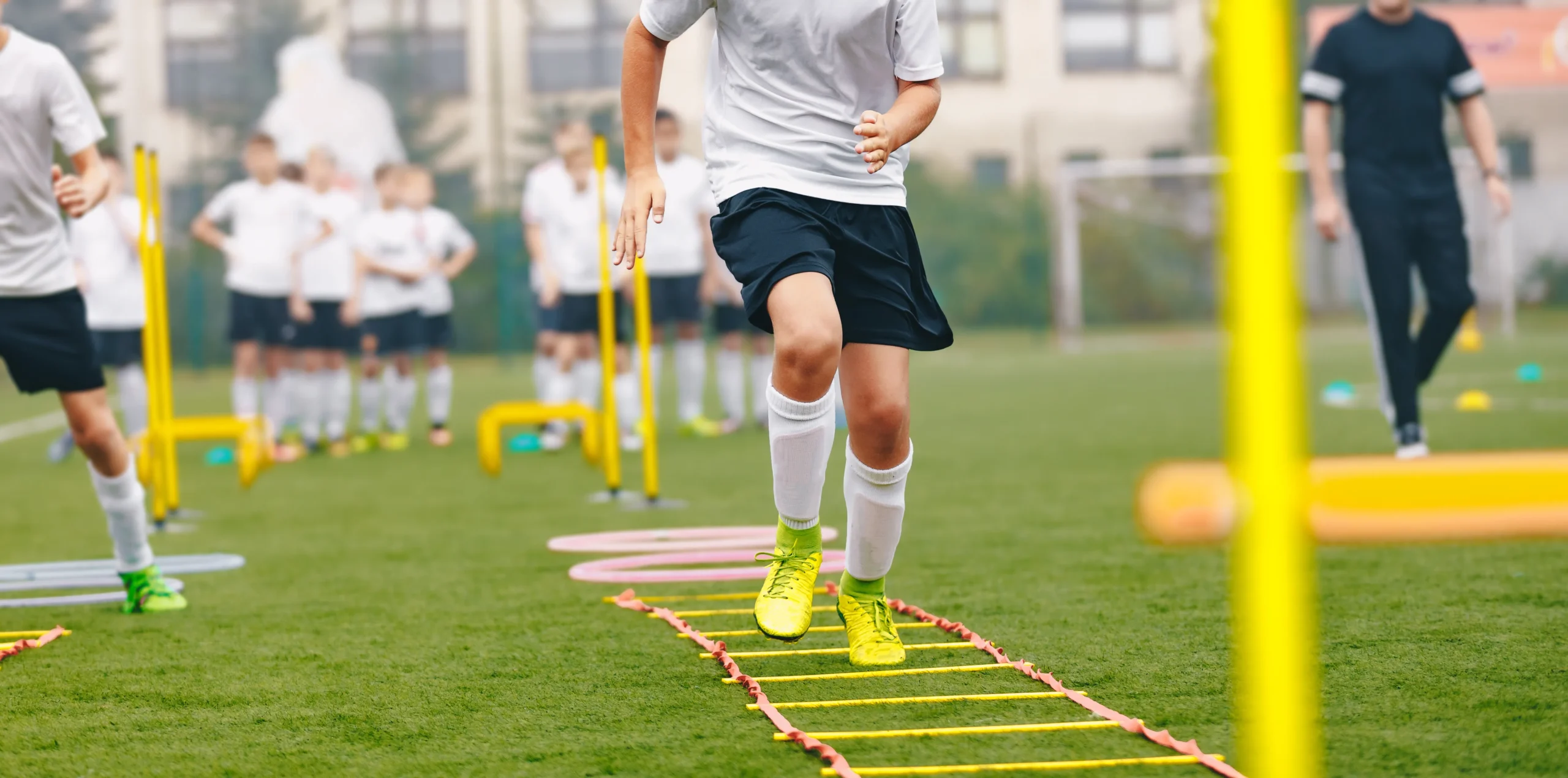
The fall sports season is just around the corner. From football players to cross-country runners, athletes are gearing up for high-intensity practices and high-level competition. And at Active Sport & Spine Therapy, we just want to remind you that you don’t have to prepare on your own.
Many athletes associate physical therapy with injury rehabilitation. While that is a big part of what we do, it isn’t the full picture. Physical therapy can actually play an important role in your preseason training, even if you’re not currently dealing with any pain or movement limitations. In fact, working with us before the season starts might even help you prevent an injury once things really get underway.
Eight Ways Physical Therapy Can Prepare You For a Successful Fall Season
1. Identify Weaknesses Before They Lead to Injury
One of the biggest ways we can help is by performing an in-depth movement assessment to identify minor issues that might not be a problem now but could be in the future. We’ll evaluate your mobility, strength, balance, and sports-specific movement mechanics (like running or jumping) to identify any areas you focus on in your preseason training.
2. Improve Strength Where It Matters Most
Strong muscles provide stability and help absorb the forces created during sports. They also help improve body control during key movements such as cutting, sprinting, and jumping.
We’ll work with you to create an individualized strengthening program that targets areas important for your sport, such as the core, legs, or shoulders.
3. Increase Overall Mobility
Limited mobility can alter your movement patterns, often without you even realizing it. This, in turn, increases stress on nearby joints, which can overload your tissues and increase your risk of injury. We’ll use a blend of targeted mobility exercises and hands-on manual therapy techniques to help improve ease and comfort of movement.
4. Build Better Balance and Coordination
Balance is essential for all types of athletes, as it allows your body to react quickly to unexpected movements in the middle of a game. This is especially true if your sport involves jumping, quick pivoting, or rapid acceleration.
Depending on your needs, your program will include exercises that improve:
- Single-leg stability
- Agility
- Reaction time
- Coordination
- Proprioception, which is your body’s ability to sense its position and movement
5. Fine-Tune Running, Jumping, and Landing Mechanics
Proper movement patterns and building strong braking power are other essential factors for preventing sports injuries. Even minor technique adjustments can help your body absorb heavy landing forces smoothly, lowering the pressure placed on joints during practice and competition.
6. Create a Sport-Specific Conditioning Plan
Each sport places unique demands on the body, so your training will reflect the movements and physical requirements for your specific sport.
For example, a conditioning plan for a football player might include sprint intervals, explosive lower-body strengthening, and neck and shoulder stability exercises to improve power and prepare for repeated contact and quick changes in direction.
A volleyball player, however, would benefit from jump training, shoulder endurance exercises, and lateral movement drills to support frequent jumping, overhead hitting, and rapid movement across the court.
7. Address Lingering Injuries
If you had an injury in the past, it might still be affecting your performance, even if you aren’t experiencing pain. Injuries that didn’t rehabilitate properly can leave behind weakness, stiffness, or reduced stability that can become problems if unaddressed. We’ll identify any lingering deficits so you can address them before the season begins.
8. Learn Recovery Strategies That Support Performance
Training is only one part of staying healthy throughout the season. We’ll also recommend strategies that promote good recovery, such as proper warm-up or cool-down routines, or progressive training schedules that help you avoid overloading your tissues. We can also provide guidance on recognizing early signs of overuse before they develop into more serious injuries.
These kinds of good habits can help you stay consistent all season long.
Shoulder and Knee Injuries To Watch Out For This Fall
Popular fall sports like football and soccer are full of quick cuts, high physical contact, and a lot of overhead movements, all of which put significant stress on the shoulders and knees. Learning to recognize the early signs of knee or shoulder injuries can help you reach out to Active Sport & Spine Therapy sooner, helping to ensure a minor issue doesn’t sideline your season.

Common Shoulder Injuries
Rotator Cuff Strain or Tear
The rotator cuff is a group of muscles and tendons that stabilize the shoulder. Early signs of overload or injury include pain when lifting or reaching overhead, weakness, discomfort when throwing, or pain that worsens at night.
Shoulder Labral Tear
The labrum is a ring of cartilage that helps keep the shoulder joint stable. You might notice painful clicking or catching during overhead movements, as well as a feeling that your shoulder is slipping out of place.
Common Knee Injuries
ACL Tear
The ACL is one of the primary ligaments that stabilize the knee. Warning signs include hearing or feeling a “pop” during the injury, followed by rapid swelling, the knee giving way during activity, or difficulty bearing weight.
Meniscus Injury
The meniscus is a piece of cartilage that cushions the knee joint. Early symptoms of an injury often include pain with twisting movements, swelling, locking or catching of the knee, and difficulty fully straightening or bending the leg.
Jumper’s Knee
This overuse injury affects the tendon connecting the kneecap to the shinbone. It typically causes pain just below the kneecap during jumping, sprinting, or climbing stairs. Symptoms will gradually worsen if left untreated.
We’re Here to Help!
There is some good news: physical therapy can help rehabilitate these common injuries, often eliminating the need for surgery. Through targeted sports-specific rehabilitation, we’ll help get you back in the game.
If shoulder or knee pain is limiting your performance, don’t ignore it. Contact Active Sport & Spine Therapy to schedule your initial evaluation today.
Exercise of the Month: Bent Over Rows
Hold a weight in your hand. Slightly bend your knees and bend at your waist to bring your torso forward. Make sure your back remains flat and about parallel to the floor. Pull the weight towards you. Make sure your elbows stay close to your body. Slowly return to the starting position.
Our Patients See Results
Are You Ready to Perform This Fall?
You know off-season training is important, but you might not have realized how much physical therapy can help! At Active Sport & Spine Therapy, our team develops individualized, evidence-based treatment plans that address the root causes of movement problems, helping you perform at your best while reducing your risk of injury.
Schedule a preseason evaluation with us today to ensure you can take to the field with confidence once fall arrives!

Mediterranean Chicken Power Bowl
Packed with lean protein, fresh vegetables, healthy fats, and whole grains, this Mediterranean-inspired bowl is a flavorful way to fuel recovery and keep your energy levels high throughout the day.
Ingredients
- 2 boneless, skinless chicken breasts
- 2 cups cooked quinoa
- 1 cup cherry tomatoes, halved
- 1 cucumber, diced
- 1 cup baby spinach
- ½ cup crumbled feta cheese
- ¼ cup sliced Kalamata olives
- 2 tbsp olive oil
- 1 tbsp lemon juice
- 1 tsp dried oregano
- 1 clove garlic, minced
- Salt and pepper to taste
Instructions
- Season the chicken with oregano, garlic, salt, and pepper.
- Heat olive oil in a skillet over medium heat and cook the chicken for 6–8 minutes per side, or until fully cooked. Let rest for 5 minutes before slicing.
- Prepare the quinoa according to package directions if not already cooked.
- Divide the quinoa among four bowls.
- Top each bowl with spinach, tomatoes, cucumber, olives, and feta cheese.
- Add the sliced chicken.
- Drizzle with olive oil and fresh lemon juice before serving.