

Got Leg Pain? Shin Splints Aren’t Just for Runners
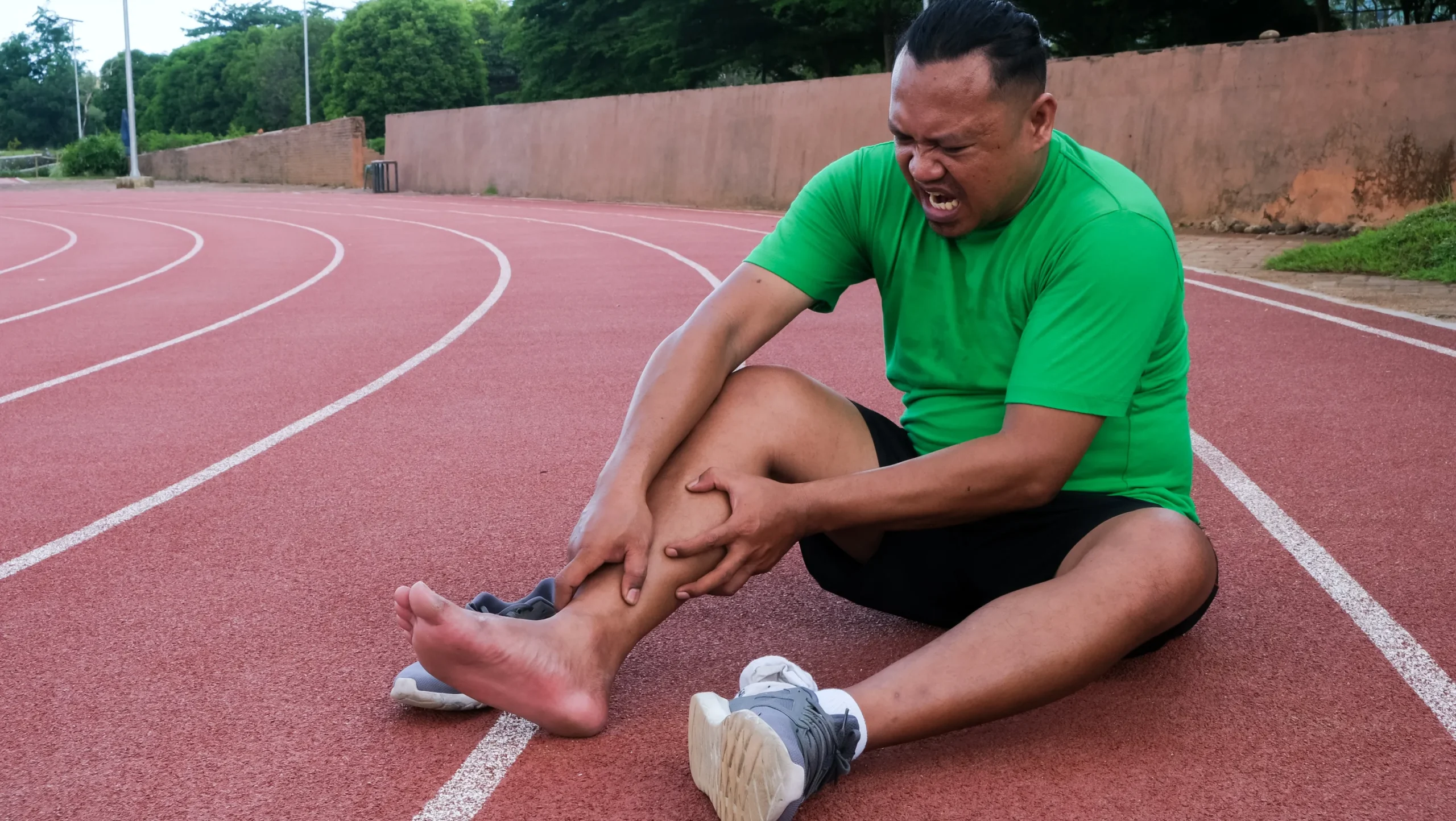

You’ve got a new job that requires you to be on your feet all day. After a few weeks, you start to notice a sharp ache along the front of your lower leg. It worsens throughout your workday, and no matter what you try to do, you can’t seem to get rid of it.
There’s a good chance this pain comes from shin splints, a condition that many people associate with runners or high-level athletes. But in reality, shin splints can develop in anyone who puts repeated stress on their lower legs. It can be particularly common after a sudden increase in activity, whether that’s a new job or a new workout routine.
Fortunately, shin splints often respond very well to conservative treatment, and the team at Active Sport & Spine Therapy can help you recover while reducing the risk of future flare-ups.
A Closer Look at Shin Splints
The term “shin splints” refers to pain along the inner edge of the shinbone. This pain develops when the muscles, tendons, and connective tissues attached to the shinbone become irritated from repeated stress that the body is not prepared for.
Over time, this repeated overload strains the bone lining and surrounding tissues, leading to localized irritation and pain. The condition usually develops gradually rather than from a single injury. At first, you might notice only discomfort after intense activity, but if left untreated, the pain may start to become noticeable during everyday activities.
Why Do Shin Splints Happen?
Several factors may contribute to shin splints:
- Sudden increases in exercise intensity or duration
- Starting a new fitness program
- Walking or running on hard surfaces
- Wearing worn-out or unsupportive footwear
- Muscle weakness in the hips, core, or lower legs
- Tight calf muscles
- Flat feet or changes in how your foot distributes weight
- Spending long hours standing or walking at work
While runners are often associated with shin splints, anyone who places repetitive stress on their lower legs can develop symptoms. The good news is that identifying the contributing factors early can help prevent the condition from becoming a long-term problem.
Through a comprehensive assessment, physical therapy can help address mobility restrictions, muscle imbalances, strength deficits, and movement patterns that may be contributing to your symptoms. Treatment often includes targeted exercises, activity modifications, and strategies to help you return to your normal routine safely and confidently.
How Do I Know I Have Shin Splints?
Shin splints can feel different from person to person, but they typically cause pain and irritation along the shinbone that worsens with activity. Recognizing the symptoms early can help prevent the condition from becoming more severe.

Common Signs & Symptoms
Managing Shin Splints with the Active Sport & Spine Therapy Team
Shin splints can be painful, but they don’t typically require surgery or medication. Because they often develop when the body isn’t prepared to handle a sudden increase in physical demand, treatment focuses on improving strength, mobility, and movement efficiency.
Initial Pain Management
Our first goal is to reduce irritation and support healing. This may include activity modification strategies, hands-on manual therapy to improve mobility and reduce muscle tension, and treatment options such as shockwave therapy or therapeutic ultrasound to help manage discomfort.
Improving Overall Movement
Limited mobility can place extra stress on the lower leg during walking, running, and daily activities. We’ll focus on improving mobility in the hips and ankles to create smoother, more efficient movement patterns.
Strengthening Weak Areas
Weakness in the hips, core, calves, or foot and ankle muscles can increase stress on the shin. We’ll develop a personalized strengthening program that targets the areas contributing to your symptoms.
A Safe Return to Activity
Returning to activity too quickly is one of the most common reasons symptoms return. We’ll guide you through a gradual progression plan that allows your tissues to adapt safely while keeping you active.
Don’t Ignore Persistent Shin Pain
Shin splints may start as a minor annoyance, but ongoing pain is your body’s way of signaling that something needs attention. At Active Sport & Spine Therapy, we focus on finding the root cause of pain and creating personalized treatment plans that support long-term recovery. Contact us today to schedule an evaluation and take the first step toward moving comfortably again.
Exercise of the Month: One Leg Balance (No Support)
Slowly lift one leg off the floor so that all of your weight is supported by the opposite leg. Maintain your balance while keeping good posture and your ankle firmly planted on the floor. Hold this position for 20 to 30 seconds, then relax and repeat. As your balance improves, gradually increase the amount of time you hold the position.
Our Patients See Results
Don’t Ignore Persistent Shin Pain
Shin splints may start as a minor annoyance, but ongoing pain is your body’s way of signaling that something needs attention.
At Active Sport & Spine Therapy, we focus on finding the root cause of pain and creating personalized treatment plans that support long-term recovery. Contact us today to schedule an evaluation and take the first step toward moving comfortably again.

Creamy Salmon Risotto
This creamy salmon risotto is packed with high-quality protein, omega-3 fatty acids, and complex carbohydrates to support recovery, reduce inflammation, and keep you feeling satisfied. It’s a comforting, restaurant-quality meal that’s surprisingly easy to make at home.
Ingredients
- 4 salmon fillets (about 5 oz each)
- 1 cup Arborio rice
- 4 cups low-sodium vegetable or chicken broth
- 1 small onion, finely diced
- 2 cloves garlic, minced
- 1 tbsp olive oil
- 2 tbsp butter
- ½ cup grated Parmesan cheese
- 1 cup peas or asparagus pieces
- 1 tbsp fresh lemon juice
- 1 tbsp fresh dill or parsley, chopped
- Salt and pepper to taste
Instructions
- Warm the broth in a saucepan and keep it hot over low heat.
- Heat olive oil in a large skillet. Cook the onion for 3–4 minutes until softened, then add garlic and cook for 30 seconds.
- Add the Arborio rice and stir for 1–2 minutes until lightly toasted.
- Add warm broth one ladle at a time, stirring frequently and allowing the liquid to absorb before adding more.
- Continue adding broth for 20–25 minutes until the rice is creamy and tender.
- Stir in the peas or asparagus, butter, Parmesan cheese, lemon juice, and fresh herbs.
- Meanwhile, season salmon with salt and pepper and cook in a skillet or oven until flaky and fully cooked.
- Serve the salmon over the risotto and garnish with additional herbs and Parmesan if desired.